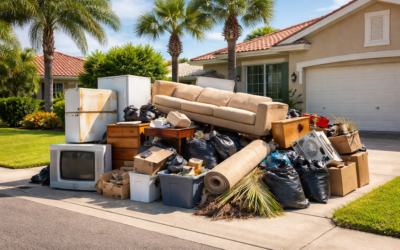
Dumping fees, often referred to as tipping fees, are charges levied by waste management facilities for the disposal of waste materials. These fees can vary significantly based on a multitude of factors, including the type of waste being disposed of, the location of the landfill, and the specific policies of the waste management facility. Understanding these fees is crucial for both individuals and businesses, as they can have a substantial impact on overall waste management costs.
As urbanization continues to rise and waste generation increases, the importance of comprehending dumping fees becomes even more pronounced. The structure of dumping fees is designed to cover the operational costs of landfills and waste management facilities, including maintenance, environmental protection measures, and regulatory compliance. In many regions, these fees are also influenced by local government policies aimed at promoting recycling and reducing landfill use.
As such, they serve not only as a financial mechanism but also as a tool for encouraging sustainable waste management practices. This article will delve into various aspects of dumping fees, exploring the costs associated with different types of waste disposal and offering insights into how individuals and businesses can manage these expenses effectively.
Key Takeaways
- Dumping fees vary widely depending on waste type and disposal method.
- Landfill and municipal waste disposal costs form the bulk of dumping expenses.
- Specialized waste like hazardous, electronic, and construction debris incur higher fees.
- Recycling and composting can reduce overall disposal costs but may have associated charges.
- Implementing cost-saving tips can help minimize the true financial impact of dumping waste.
Understanding Landfill Costs
Landfill costs encompass a range of expenses associated with the operation and maintenance of waste disposal sites. These costs include not only the tipping fees charged to those disposing of waste but also the underlying expenses related to land acquisition, site preparation, and ongoing environmental monitoring. For instance, landfills must adhere to strict regulations that require them to implement measures to prevent groundwater contamination and manage methane emissions.
These regulatory requirements can significantly increase operational costs, which are then passed on to consumers in the form of higher dumping fees. Moreover, the geographical location of a landfill plays a critical role in determining its costs. Landfills situated in urban areas often face higher operational expenses due to land scarcity and increased regulatory scrutiny.
Conversely, rural landfills may have lower costs but could also be less accessible for residents and businesses in urban centers. Additionally, the type of waste being disposed of can influence landfill costs; for example, organic waste may require different handling procedures compared to construction debris. Understanding these nuances is essential for anyone looking to navigate the complexities of waste disposal effectively.
Municipal Waste Disposal Fees
Municipal waste disposal fees are typically charged by local governments or municipalities for the collection and disposal of residential waste. These fees can vary widely depending on the municipality’s waste management policies, the frequency of collection services, and the overall volume of waste generated by residents. In many cases, municipalities offer flat-rate fees that cover a set amount of waste disposal per household, while others may implement pay-as-you-throw systems that charge residents based on the volume or weight of their waste.
The structure of municipal waste disposal fees is often designed to incentivize recycling and composting efforts among residents. For example, some municipalities may offer reduced rates for households that participate in recycling programs or provide additional bins for organic waste collection at no extra charge. This approach not only helps to reduce landfill usage but also promotes environmentally friendly practices within the community.
Understanding how municipal fees are structured can empower residents to make informed decisions about their waste disposal habits and potentially save money in the process.
Recycling and Composting Costs
Recycling and composting are essential components of modern waste management strategies aimed at reducing landfill reliance and promoting sustainability. However, these practices also come with their own set of costs that can impact both individuals and municipalities. For instance, while recycling programs may help divert materials from landfills, they often require investment in infrastructure, such as collection bins, sorting facilities, and transportation systems.
These costs can be reflected in municipal recycling fees or passed on to consumers through increased service charges. Composting, while beneficial for reducing organic waste, also incurs expenses related to collection and processing. Municipalities may need to establish dedicated composting facilities or partner with private companies to manage organic waste effectively.
Additionally, public education campaigns are often necessary to encourage participation in composting programs, further adding to overall costs. Despite these expenses, investing in recycling and composting initiatives can yield long-term savings by reducing landfill tipping fees and extending the lifespan of existing landfills.
Hazardous Waste Disposal Expenses
| Location | Cost Type | Typical Fee | Notes |
|---|---|---|---|
| United States | Per Load | 10 – 50 | Varies by city and type of waste |
| United Kingdom | Free or Fee | 0 – 30 | Household waste often free; bulky items may incur fees |
| Canada | Per Item or Weight | 5 – 40 | Fees depend on municipality and waste type |
| Australia | Per Load | 0 – 60 | Some councils offer free drop-off days |
| Germany | Included in Waste Tax | 0 | Costs covered by waste management fees |
Hazardous waste disposal is a specialized area within waste management that involves handling materials deemed dangerous to human health or the environment. This category includes items such as chemicals, batteries, medical waste, and certain electronic devices. The disposal of hazardous waste is subject to stringent regulations that require specialized handling, transportation, and treatment processes.
As a result, hazardous waste disposal expenses tend to be significantly higher than those associated with regular municipal waste. Facilities that manage hazardous waste must invest in advanced technologies and safety measures to ensure compliance with environmental regulations. This includes training personnel in safe handling practices and maintaining proper containment systems to prevent leaks or spills.
Consequently, individuals and businesses seeking to dispose of hazardous materials often face steep fees that reflect these additional safety measures. Understanding these costs is crucial for anyone dealing with hazardous materials, as improper disposal can lead to severe legal penalties and environmental damage.
Electronic Waste Recycling Fees
Electronic waste (e-waste) has emerged as a significant concern in modern waste management due to its rapid growth and potential environmental hazards. E-waste includes discarded electronic devices such as computers, televisions, smartphones, and other gadgets that contain toxic substances like lead, mercury, and cadmium. The recycling of e-waste is essential for recovering valuable materials and preventing environmental contamination; however, it also incurs specific costs that consumers should be aware of.
Many municipalities have established e-waste recycling programs that may charge fees for collection or processing services. These fees can vary based on the type and quantity of electronic devices being disposed of. Some regions offer free e-waste drop-off events or designated collection days to encourage responsible disposal practices among residents.
However, businesses dealing with larger volumes of e-waste may face higher charges due to the complexities involved in processing these materials safely. Understanding e-waste recycling fees is vital for consumers looking to dispose of their old electronics responsibly while minimizing costs.
Yard Waste Disposal Charges
Yard waste disposal refers to the collection and processing of organic materials generated from landscaping activities, such as grass clippings, leaves, branches, and other plant debris. Many municipalities have implemented yard waste collection programs as part of their overall waste management strategies. These programs often come with associated charges that can vary based on factors such as collection frequency and processing methods.
In some areas, yard waste is collected separately from regular trash and may be composted or mulched at dedicated facilities. This process not only reduces landfill usage but also creates valuable compost that can be returned to the community for landscaping purposes. However, municipalities must invest in equipment and infrastructure for yard waste collection and processing, which can lead to increased disposal charges for residents.
Understanding these costs can help homeowners make informed decisions about yard maintenance practices while considering the financial implications of yard waste disposal.
Construction and Demolition Debris Costs
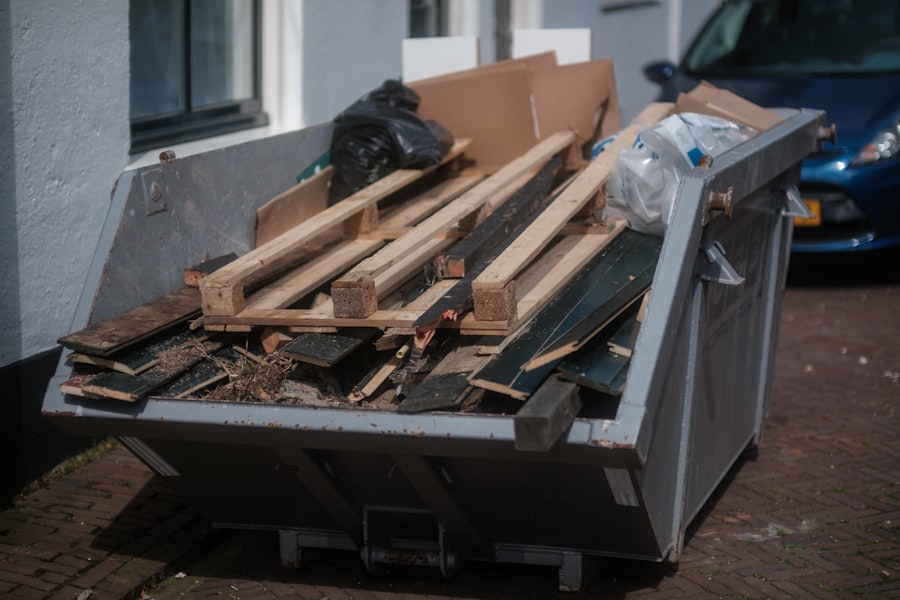
Construction and demolition (C&D) debris represents a significant portion of total waste generated in urban areas due to ongoing development projects. This category includes materials such as concrete, wood, metal, drywall, and other construction-related items that require specialized handling during disposal. The costs associated with C&D debris disposal can vary widely based on factors such as local regulations, landfill capacity, and recycling opportunities.
Many municipalities have established specific guidelines for C&D debris disposal that encourage recycling and reuse of materials whenever possible. For instance, some regions may offer reduced tipping fees for contractors who divert recyclable materials from landfills or utilize designated recycling facilities for construction debris. However, failing to comply with local regulations regarding C&D debris can result in hefty fines or increased disposal costs for contractors.
Understanding these expenses is crucial for construction professionals seeking to manage their project budgets effectively while adhering to environmental standards.
Special Waste Disposal Fees
Special waste refers to materials that do not fall into standard categories but still require careful handling due to their unique characteristics or potential hazards. This category can include items such as medical waste from healthcare facilities, industrial byproducts from manufacturing processes, or even certain types of agricultural waste. The disposal of special waste often involves additional regulatory requirements and specialized treatment processes that contribute to higher disposal fees.
Facilities that manage special waste must invest in training personnel and implementing safety protocols to ensure compliance with environmental regulations. As a result, individuals or businesses seeking to dispose of special waste may face significantly higher charges compared to regular municipal waste disposal fees. Understanding these costs is essential for industries dealing with special waste materials, as improper disposal can lead to severe legal consequences and environmental harm.
Tips for Saving Money on Dumping
Navigating dumping fees can be challenging; however, there are several strategies individuals and businesses can employ to minimize their expenses related to waste disposal. One effective approach is to reduce overall waste generation through practices such as recycling and composting. By diverting recyclable materials from landfills or composting organic waste at home, individuals can significantly lower their tipping fees over time.
Another strategy involves consolidating trips to the landfill or recycling facility whenever possible. For instance, instead of making multiple small trips throughout the month, individuals can plan a single larger trip that maximizes their load capacity. This not only reduces fuel costs but also minimizes the number of times they incur dumping fees.
Additionally, exploring local programs or partnerships that offer discounted rates for bulk disposal or community clean-up events can provide further savings opportunities.
The True Cost of Dumping
The landscape of dumping fees is complex and multifaceted, influenced by various factors ranging from local regulations to the type of waste being disposed of. As communities strive for more sustainable waste management practices, understanding these costs becomes increasingly important for both individuals and businesses alike. By being informed about municipal fees, recycling initiatives, hazardous material handling requirements, and other aspects related to dumping expenses, stakeholders can make more educated decisions about their waste management strategies.
Ultimately, recognizing the true cost of dumping extends beyond mere financial implications; it encompasses environmental responsibility and community well-being as well. By actively engaging in responsible waste disposal practices and seeking out opportunities for cost savings through recycling or composting initiatives, individuals can contribute positively to their communities while managing their expenses effectively.
If you’re wondering about the costs associated with dropping off items at the dump, you might find it helpful to read more about junk removal services in your area. For instance, the article on why Florida Junk Pros is your go-to for junk removal in Cape Coral provides valuable insights into the convenience and affordability of professional junk removal options. You can check it out here: Why Florida Junk Pros is Your Go-To for Junk Removal in Cape Coral.
FAQs
Is there usually a fee to drop off items at the dump?
In many areas, there is a fee to drop off certain types of waste at the dump or landfill. Fees can vary depending on the type and amount of material being disposed of.
Are some items accepted for free at the dump?
Yes, many dumps accept household garbage and recyclables for free or at a reduced cost. Some facilities also offer free disposal days for specific items like yard waste or electronics.
How are fees typically calculated at a dump?
Fees are often based on the weight, volume, or type of material. For example, construction debris, appliances, and hazardous waste may incur higher charges than regular household trash.
Do I need to pay if I drop off small amounts of waste?
Some dumps have a minimum fee or allow small quantities of household waste to be dropped off for free. It is best to check with your local facility for their specific policies.
Are there any items that are not accepted at the dump?
Yes, many dumps do not accept hazardous materials such as chemicals, batteries, or medical waste. These items usually require special disposal methods.
Can I avoid fees by using recycling centers instead of the dump?
Recycling centers often accept certain materials like metals, electronics, and paper for free or a lower cost. Using these centers can reduce disposal fees and help the environment.
Where can I find information about dump fees in my area?
Local government websites, waste management authorities, or the dump facility itself typically provide information about fees, accepted materials, and hours of operation.