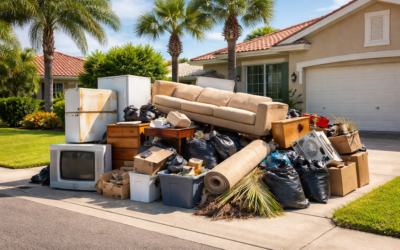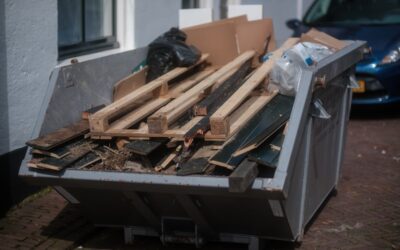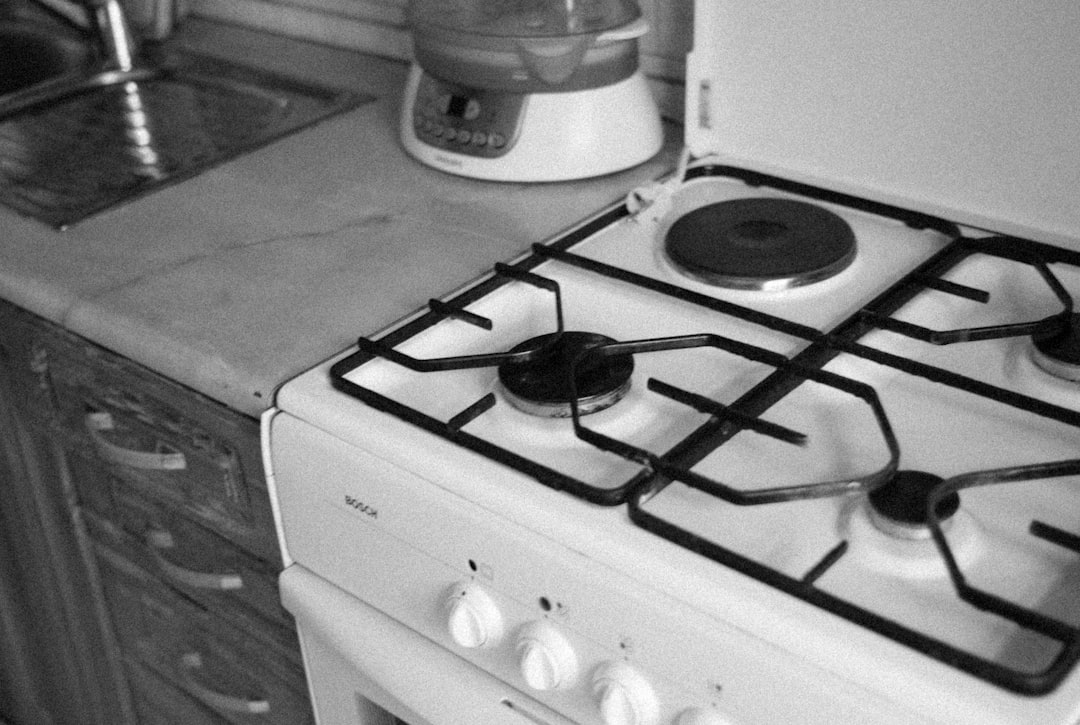
Appliance removal involves the safe extraction and disposal of household equipment during home renovations, relocations, or decluttering projects. When appliances become outdated, malfunction, or no longer meet efficiency standards, proper removal becomes necessary. The process varies in complexity from relocating functional refrigerators to disposing of broken washing machines that cannot be repaired.
Effective appliance removal requires consideration of multiple factors including physical safety protocols, environmental regulations, and local disposal laws. The process extends beyond simple item removal to encompass responsible waste management practices that protect community health and environmental resources. Consumer demand for energy-efficient appliances has accelerated appliance replacement cycles.
As awareness of energy consumption and environmental impact increases, households more frequently upgrade to models that meet current efficiency standards. This trend has created greater demand for professional appliance removal services and proper disposal methods. Proper appliance removal addresses several key areas: safe physical extraction to prevent injury and property damage, compliance with local waste management regulations, environmental protection through appropriate recycling or disposal methods, and cost-effective solutions for homeowners and renters.
Understanding these components enables property owners to select removal methods that meet safety requirements while supporting sustainable waste management practices.
Key Takeaways
- Proper appliance removal is essential to minimize environmental harm and comply with legal regulations.
- Improper disposal can lead to hazardous waste contamination and safety risks.
- Professional removal services offer safe, efficient, and eco-friendly disposal options.
- Recycling and donating appliances extend their life and reduce landfill waste.
- Understanding legal requirements helps avoid fines and promotes responsible disposal practices.
The Importance of Proper Appliance Disposal
Proper appliance disposal is paramount for several reasons, primarily concerning environmental sustainability and public health. Appliances often contain hazardous materials such as refrigerants, heavy metals, and other toxic substances that can leach into the soil and water supply if not disposed of correctly. For instance, refrigerators and air conditioners contain refrigerants that can contribute to ozone depletion if released into the atmosphere.
Therefore, adhering to proper disposal methods is not just a matter of convenience; it is a civic duty that protects our environment and public health. Moreover, improper disposal can lead to significant legal repercussions. Many regions have strict regulations governing the disposal of electronic waste and appliances due to their potential environmental hazards.
Failing to comply with these regulations can result in hefty fines or legal action against individuals or businesses. Thus, understanding the importance of proper appliance disposal is crucial for avoiding legal issues while contributing positively to community health and environmental preservation.
Understanding the Environmental Impact of Appliances
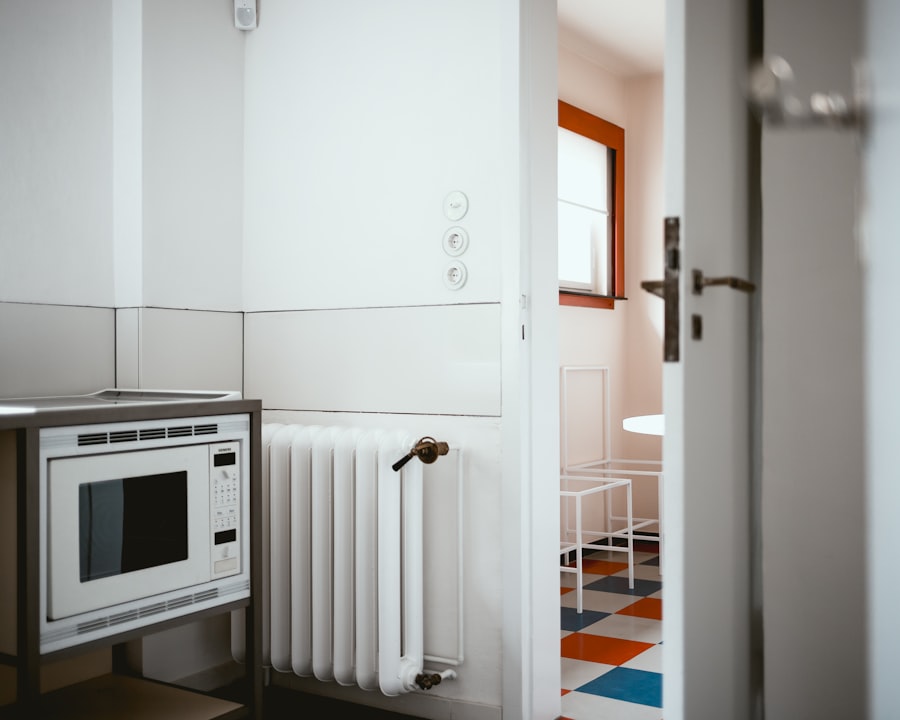
The environmental impact of appliances extends far beyond their operational energy consumption. When appliances reach the end of their life cycle, they can become a significant source of waste if not handled appropriately. For example, the U.S. Environmental Protection Agency (EPA) estimates that millions of refrigerators, washing machines, and other large appliances are discarded each year, contributing to landfills that are already overflowing. These discarded appliances can take years to decompose, during which time they may release harmful substances into the environment. Additionally, many appliances are manufactured using non-renewable resources and energy-intensive processes. The extraction of raw materials for appliance production—such as metals and plastics—contributes to habitat destruction and pollution. When these appliances are disposed of improperly, it exacerbates the cycle of resource depletion and environmental degradation. Understanding this impact highlights the necessity for responsible disposal methods that prioritize recycling and recovery over landfill dumping.
How to Properly Remove and Dispose of Appliances
Properly removing and disposing of appliances involves several steps that ensure safety and compliance with local regulations. The first step is to prepare the appliance for removal by disconnecting it from power sources and water lines if applicable. For instance, when removing a dishwasher or refrigerator, it is essential to turn off the water supply and unplug the unit to prevent leaks or electrical hazards during transport.
Additionally, it is advisable to empty the appliance of any contents, such as food in a refrigerator or detergent in a washing machine. Once the appliance is disconnected and emptied, homeowners must consider their disposal options. Many municipalities offer bulk waste pickup services specifically for large appliances, while others may require residents to drop off items at designated recycling centers.
It is crucial to check local regulations regarding appliance disposal to ensure compliance. Some areas may have specific days for bulk pickup or may require an appointment for drop-off at recycling facilities. Understanding these logistics can streamline the removal process and ensure that appliances are disposed of responsibly.
The Dangers of Improper Appliance Removal
| Service Provider | Appliance Removal Included | Types of Appliances Removed | Additional Fees | Scheduling Options |
|---|---|---|---|---|
| Green Waste Disposal | Yes | Refrigerators, Ovens, Microwaves, Dishwashers | No | Same-day or next-day |
| City Junk Removal | Yes | All major household appliances | Appliance recycling fee applies | Online booking, weekend availability |
| Quick Haul Services | No | N/A | N/A | Weekday appointments only |
| Eco-Friendly Movers | Yes | Refrigerators, Washers, Dryers | Included in service price | Flexible scheduling |
| Budget Junk Removal | Partial | Small appliances only (microwaves, toasters) | Extra charge for large appliances | Appointment required |
Improper appliance removal poses several dangers that can affect both individuals and the environment. One significant risk is physical injury during the removal process. Appliances are often heavy and cumbersome; attempting to move them without proper equipment or assistance can lead to accidents such as falls or strains.
For example, lifting a refrigerator without help can result in back injuries or dropped items that cause damage to property or personal injury. Beyond physical dangers, improper disposal can lead to environmental hazards. As mentioned earlier, many appliances contain harmful substances that can contaminate soil and water if not disposed of correctly.
For instance, old televisions may contain lead and other toxic materials that pose risks to wildlife and human health when they break down in landfills. Additionally, improper disposal can contribute to illegal dumping practices, which further exacerbate environmental issues in communities.
Hiring Professional Appliance Removal Services
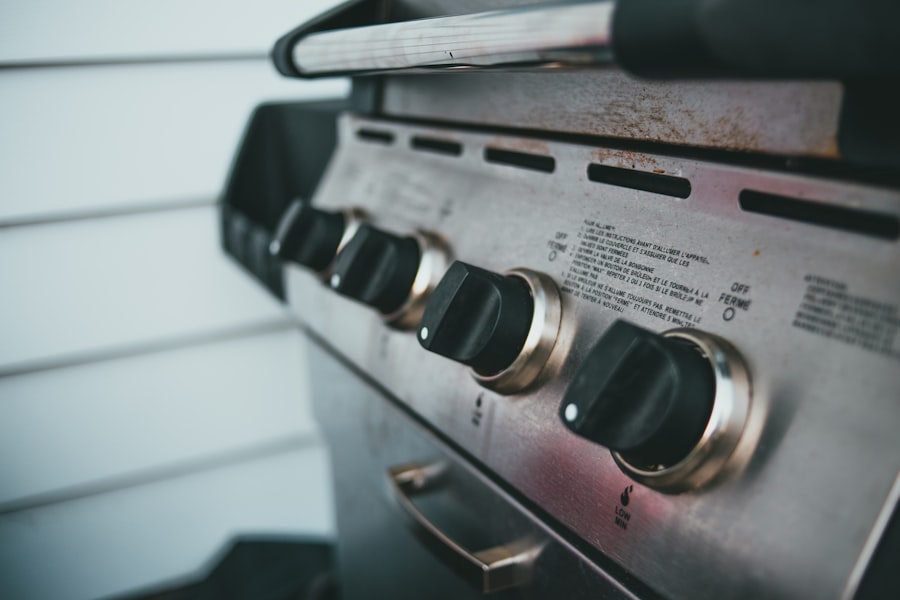
For those who prefer a hassle-free approach to appliance removal, hiring professional services can be an excellent option. These companies specialize in safely removing and disposing of appliances while adhering to local regulations regarding waste management. Professional removal services typically have the necessary equipment and expertise to handle heavy items efficiently, reducing the risk of injury during the process.
Moreover, many professional appliance removal services prioritize environmentally responsible practices by recycling or donating usable appliances rather than sending them directly to landfills. For instance, some companies partner with local charities to donate working appliances to families in need, thereby extending the life cycle of these items while benefiting the community. By choosing professional services, individuals can ensure that their old appliances are handled safely and responsibly.
DIY Appliance Removal: Tips and Guidelines
For those who opt for a do-it-yourself approach to appliance removal, several tips and guidelines can help ensure a safe and efficient process. First and foremost, it is essential to gather the right tools before starting the removal process. Basic tools such as screwdrivers, wrenches, and dollies can make moving heavy appliances much easier.
Additionally, having a friend or family member assist with lifting can help prevent injuries. Before beginning the removal process, it is also advisable to familiarize oneself with local disposal regulations regarding appliances. Knowing where to take an old refrigerator or washing machine can save time and effort later on.
Many communities have specific recycling centers or designated drop-off locations for large appliances that must be adhered to for legal compliance. Another important consideration is safety during transport. When loading an appliance onto a vehicle, ensure it is secured properly to prevent shifting during transit.
Using straps or ropes can help keep the appliance stable while driving. Additionally, be mindful of any potential hazards along the route, such as low-hanging branches or narrow doorways that could pose challenges when maneuvering large items.
Recycling and Donating Appliances
Recycling and donating appliances are two environmentally friendly options that contribute positively to community welfare while reducing waste. Many appliances contain valuable materials that can be recovered through recycling processes. For example, metals such as aluminum and steel can be melted down and repurposed into new products, significantly reducing the need for raw material extraction.
Donating working appliances is another excellent way to extend their life cycle while helping those in need. Numerous organizations accept donations of functional appliances for families facing financial hardships or community programs aimed at providing essential household items. Charities such as Habitat for Humanity ReStores often welcome donations of gently used appliances, ensuring they are put to good use rather than ending up in landfills.
Before donating or recycling an appliance, it is essential to ensure it is clean and in good working condition. Many organizations have specific guidelines regarding acceptable donations; therefore, checking these requirements beforehand can streamline the process.
The Legalities of Appliance Disposal
Understanding the legalities surrounding appliance disposal is crucial for homeowners and renters alike. Many regions have enacted laws governing electronic waste disposal due to the potential environmental hazards posed by discarded appliances. These laws often dictate how appliances must be disposed of—whether through recycling programs or designated collection events—and failing to comply can result in fines or other penalties.
In addition to local regulations, federal laws such as the Resource Conservation and Recovery Act (RCRA) set standards for hazardous waste management across the United States. This act governs how certain materials must be handled during disposal processes, including those found in household appliances like refrigerators and air conditioners. Familiarizing oneself with these legal requirements ensures compliance while promoting responsible waste management practices.
Common Mistakes to Avoid When Removing Appliances
When undertaking appliance removal, several common mistakes can hinder the process or lead to negative consequences. One prevalent error is neglecting safety precautions during removal efforts. Failing to use proper lifting techniques or attempting to move heavy items alone can result in injuries that could have been easily avoided with adequate planning.
Another mistake is overlooking local disposal regulations regarding appliance removal. Many individuals may assume they can simply leave an old appliance on the curb for pickup without checking local guidelines first. This oversight can lead to fines or complications with waste management services if not addressed properly.
Additionally, many people underestimate the importance of preparing an appliance for removal by disconnecting it from power sources or water lines beforehand. This oversight can create hazards during transport or lead to damage within the home if not handled correctly.
The Future of Appliance Removal and Disposal
As society continues to evolve towards greater environmental consciousness, the future of appliance removal and disposal will likely see significant changes aimed at promoting sustainability and responsible practices. Innovations in recycling technology may enhance our ability to recover valuable materials from discarded appliances while minimizing waste sent to landfills. Furthermore, increased awareness about the importance of proper disposal methods will likely encourage more individuals to seek out professional services or engage in community recycling initiatives rather than resorting to illegal dumping practices.
As consumers become more educated about their choices regarding appliance disposal, we may witness a shift towards more sustainable behaviors that benefit both individuals and communities alike. In conclusion, understanding the complexities surrounding appliance removal—from its importance in environmental sustainability to practical tips for safe disposal—empowers individuals to make informed decisions that positively impact their surroundings while adhering to legal requirements.
If you’re wondering about the removal of appliances, you might find it helpful to read more about the services offered in your area. For instance, the article on junk removal in Bonita Springs provides detailed information on how appliances are handled during the junk removal process, ensuring a hassle-free experience for homeowners.
FAQs
Do moving companies typically remove appliances?
Many moving companies offer appliance removal as part of their services, but it depends on the company and the specific service package. It’s best to confirm with the mover beforehand.
Are there any appliances that movers usually do not remove?
Movers often avoid removing built-in appliances like ovens or dishwashers that require plumbing or electrical disconnection unless they have specialized staff. Refrigerators and washers/dryers are commonly removed.
Do appliance removal services include disconnection and reconnection?
Some services include both disconnection and reconnection of appliances, but this varies. Additional fees may apply for reconnection or if specialized technicians are needed.
Is there a cost associated with appliance removal?
Yes, appliance removal often incurs extra charges due to the labor and equipment required. Costs vary based on the appliance type and the complexity of removal.
Can I remove appliances myself before a move?
Yes, you can remove appliances yourself if you have the proper tools and knowledge, especially for unplugging and disconnecting water lines. However, professional removal is recommended to avoid damage or injury.
Do appliance removal services include disposal?
Some companies offer appliance removal along with disposal or recycling services, but this is not always included. Confirm if disposal is part of the service or if you need to arrange it separately.
Are there safety concerns when removing appliances?
Yes, improper removal can cause damage to the appliance, property, or personal injury. It’s important to follow safety guidelines or hire professionals experienced in appliance removal.
How should I prepare appliances for removal?
Appliances should be emptied, cleaned, and disconnected from power and water sources. For refrigerators, defrosting and drying are recommended to prevent leaks during transport.