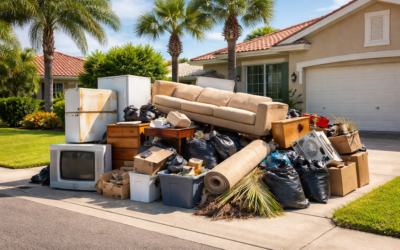
Hazardous materials encompass a wide range of substances that pose risks to human health and the environment. These materials can be found in various forms, including solids, liquids, and gases, and they often require special handling and disposal procedures to mitigate their potential dangers. Common examples of hazardous materials include chemicals used in industrial processes, cleaning agents, pesticides, and certain types of batteries.
The classification of a material as hazardous is typically based on its physical and chemical properties, which may include flammability, reactivity, toxicity, and corrosiveness. The management of hazardous materials is governed by strict regulations at both the federal and state levels. In the United States, the Environmental Protection Agency (EPA) plays a crucial role in overseeing the handling and disposal of these substances.
Facilities that generate hazardous waste must adhere to the Resource Conservation and Recovery Act (RCRA), which outlines guidelines for waste management practices. Failure to comply with these regulations can result in severe penalties, including fines and legal action. Proper training for employees who handle hazardous materials is essential to ensure safety and compliance with regulatory standards.
Key Takeaways
- Hazardous materials require special handling and disposal to prevent harm.
- Explosives and firearms must be transported and stored following strict regulations.
- Illegal drugs are prohibited and subject to legal penalties if found.
- Perishable food items and yard waste need timely disposal to avoid spoilage and pests.
- Medical waste and construction debris demand proper containment to ensure safety and compliance.
Explosives
Explosives are substances that undergo rapid chemical reactions, resulting in the release of gas and heat, often accompanied by a shock wave. They are classified into two main categories: low explosives and high explosives. Low explosives, such as black powder and smokeless powder, burn relatively slowly and are typically used in applications like propelling projectiles in firearms or fireworks.
High explosives, on the other hand, detonate almost instantaneously and are used in military applications, demolition, and mining operations. The handling and storage of explosives are subject to stringent regulations due to their inherent dangers. The Bureau of Alcohol, Tobacco, Firearms and Explosives (ATF) regulates the manufacture, distribution, and storage of explosives in the United States.
Facilities that store large quantities of explosives must adhere to specific safety protocols, including maintaining secure storage areas, conducting regular inspections, and ensuring that personnel are adequately trained in emergency response procedures. The potential consequences of mishandling explosives can be catastrophic, leading to loss of life, property damage, and environmental contamination.
Firearms and Ammunition

Firearms and ammunition are regulated items that require careful consideration regarding their storage, sale, and disposal. Firearms encompass a variety of weapons designed to expel projectiles through controlled explosions, including handguns, rifles, and shotguns. Ammunition refers to the projectiles themselves, which can vary widely in caliber and type.
The regulation of firearms is a contentious issue in many countries, with laws varying significantly based on local jurisdictions. In the United States, federal laws govern the sale and transfer of firearms through the Gun Control Act of 1968. This legislation mandates background checks for prospective buyers and restricts certain individuals from purchasing firearms, such as convicted felons or individuals with restraining orders.
Additionally, many states have enacted their own laws that impose further restrictions on firearm ownership. Proper disposal of firearms and ammunition is also critical; many localities have designated collection events or programs for safely disposing of unwanted or unused firearms to prevent them from falling into the wrong hands.
Illegal Drugs
Illegal drugs represent a significant public health concern due to their potential for abuse and addiction. These substances are often classified into various categories based on their effects on the body and mind. Common illegal drugs include heroin, cocaine, methamphetamine, and ecstasy.
The production, distribution, and possession of these substances are prohibited by law in most countries, leading to extensive law enforcement efforts aimed at curbing their availability. The impact of illegal drugs extends beyond individual users; it affects families, communities, and entire societies. Drug abuse can lead to increased crime rates, strained healthcare systems, and significant economic costs associated with addiction treatment and rehabilitation programs.
Governments often implement harm reduction strategies to address the issue of illegal drugs. These strategies may include needle exchange programs, supervised consumption sites, and access to addiction treatment services aimed at reducing the negative consequences associated with drug use.
Perishable Food Items
| Item Category | Reason Not Accepted | Examples |
|---|---|---|
| Hazardous Materials | Safety and legal restrictions | Paint, batteries, chemicals, asbestos |
| Perishable Goods | Decompose quickly, cause odors | Food, plants, flowers |
| Medical Waste | Biohazard concerns | Needles, syringes, pharmaceuticals |
| Explosives and Ammunition | Safety hazards | Fireworks, gunpowder, bullets |
| Live Animals | Animal welfare and legal issues | Pets, livestock |
| Large Appliances | Size and disposal restrictions | Refrigerators, ovens, washing machines |
| Electronics with Data | Privacy and data security | Computers, phones, hard drives |
| Construction Debris | Special disposal requirements | Concrete, bricks, drywall |
Perishable food items are those that have a limited shelf life and require specific storage conditions to prevent spoilage. These items include fresh fruits and vegetables, dairy products, meat, poultry, and seafood. The rapid deterioration of perishable foods can lead to foodborne illnesses if not handled properly.
As such, it is crucial for consumers and businesses alike to understand the importance of proper storage techniques and expiration dates. In commercial settings such as grocery stores or restaurants, strict guidelines govern the handling of perishable food items to ensure food safety. The Food Safety and Inspection Service (FSIS) provides regulations that dictate how food should be stored, prepared, and served to minimize the risk of contamination.
For instance, perishable items must be kept at appropriate temperatures—refrigerated foods should be stored at or below 40°F (4°C) while frozen foods should remain at 0°F (-18°C) or lower. Additionally, businesses must regularly monitor inventory to remove expired items promptly.
Large Appliances

Large appliances such as refrigerators, washing machines, dryers, and ovens play an essential role in modern households but also pose challenges when it comes to disposal. These appliances often contain hazardous materials like refrigerants or heavy metals that can be harmful to the environment if not disposed of correctly. As a result, many municipalities have established specific guidelines for disposing of large appliances to ensure they are handled safely.
When disposing of large appliances, it is crucial to consider recycling options. Many components of these appliances can be recycled or repurposed rather than ending up in landfills. For example, metals from old refrigerators can be melted down and reused in new products.
Additionally, some retailers offer take-back programs where they will pick up old appliances when delivering new ones. This not only simplifies the disposal process for consumers but also promotes environmentally responsible practices.
Car Batteries
Car batteries are essential components of vehicles but can be hazardous if not disposed of properly due to their lead content and sulfuric acid electrolyte solution. Improper disposal can lead to environmental contamination as these toxic substances can leach into soil and groundwater. Therefore, it is vital for consumers to understand how to dispose of car batteries responsibly.
Many auto parts stores and recycling centers offer battery recycling programs where consumers can drop off their old batteries for safe disposal. In fact, recycling car batteries is highly beneficial; approximately 99% of lead from used batteries can be recovered and reused in new batteries or other products. Additionally, many states have enacted laws requiring retailers to accept used batteries when selling new ones.
This not only encourages responsible disposal but also helps reduce the environmental impact associated with battery production.
Tires
Tires are another common item that poses disposal challenges due to their durability and composition. Made primarily from rubber along with various chemicals and materials for reinforcement, tires do not decompose easily in landfills. As a result, improper disposal can lead to environmental issues such as tire fires or breeding grounds for pests like mosquitoes.
To address these concerns, many communities have implemented tire recycling programs that allow residents to drop off old tires at designated locations for proper processing. Recycled tires can be repurposed into various products such as rubber mulch for landscaping or playground surfaces or even used in asphalt for road construction. Some states also have laws mandating tire retailers to accept old tires when selling new ones.
This not only promotes responsible disposal but also encourages sustainable practices within the automotive industry.
Construction Debris
Construction debris refers to waste generated during construction or renovation projects and can include materials such as wood scraps, concrete rubble, metal scraps, drywall pieces, and more. The management of construction debris is critical not only for maintaining cleanliness on job sites but also for minimizing environmental impact. Improper disposal can lead to pollution and contribute to landfill overcapacity.
To manage construction debris effectively, many contractors implement waste management plans that prioritize recycling and reuse whenever possible. For instance, wood scraps can be repurposed for smaller projects or donated to organizations that create furniture or housing for those in need. Concrete can often be crushed into aggregate for use in new construction projects or roadways.
Additionally, some municipalities offer specialized collection services for construction debris to ensure it is disposed of responsibly.
Yard Waste
Yard waste includes organic materials generated from landscaping activities such as grass clippings, leaves, branches, and other plant debris. While yard waste may seem innocuous compared to other types of waste discussed previously, improper disposal can still have negative environmental consequences. When yard waste is sent to landfills instead of being composted or recycled properly, it contributes to methane emissions—a potent greenhouse gas produced during decomposition in anaerobic conditions.
Many communities have established yard waste collection programs that encourage residents to separate organic materials from regular trash for composting or mulching purposes. Composting yard waste not only reduces landfill contributions but also creates nutrient-rich soil amendments that can enhance garden health. Some municipalities even provide residents with compost bins or offer workshops on how to compost effectively at home.
Medical Waste
Medical waste refers to any waste generated during healthcare activities that may pose a risk to public health or the environment if not managed properly. This category includes items such as used needles (sharps), contaminated gloves or gowns, surgical instruments, and other materials that may have come into contact with bodily fluids or infectious agents. The improper disposal of medical waste can lead to serious health risks for sanitation workers and the general public.
The management of medical waste is governed by strict regulations at both federal and state levels. The EPA classifies medical waste as hazardous if it contains infectious materials or poses a risk during handling or disposal. Healthcare facilities must implement comprehensive waste management plans that include proper segregation of medical waste from regular trash, safe storage practices until disposal occurs, and adherence to guidelines for transporting waste to licensed treatment facilities.
Many hospitals also engage in training programs for staff members on safe handling practices to minimize risks associated with medical waste management. In summary, understanding the complexities surrounding hazardous materials—including explosives, firearms, illegal drugs, perishable food items, large appliances, car batteries, tires, construction debris, yard waste, and medical waste—is essential for promoting public safety and environmental protection. Each category presents unique challenges that require careful consideration regarding handling practices and disposal methods to mitigate potential risks effectively.
If you’re curious about what items junk removal services typically won’t take, you might find it helpful to read more about the specific guidelines and restrictions in the article on post-storm cleanup. This article discusses the challenges and considerations for junk removal after summer storms in Southwest Florida, which can provide insight into the types of items that may be excluded from removal services. You can check it out here: Post-Storm Cleanup: Junk Removal After Summer Storms in SW Florida.
FAQs
What types of items are generally not accepted for donation?
Items that are typically not accepted for donation include used mattresses, broken electronics, hazardous materials, perishable food, and items that are heavily soiled or damaged.
Are there restrictions on donating clothing?
Yes, most organizations will not accept clothing that is torn, stained, or excessively worn. They usually require clean, gently used clothing in good condition.
Why are certain items like mattresses or pillows often not accepted?
Mattresses and pillows are often not accepted due to hygiene concerns and the difficulty in ensuring they meet health and safety standards.
Can expired or opened food items be donated?
No, expired or opened food items are generally not accepted because they may pose health risks.
Are there any restrictions on donating electronics?
Yes, many organizations do not accept broken or outdated electronics. Items should be in working condition and meet the organization’s specific guidelines.
Why might hazardous materials be refused?
Hazardous materials, such as chemicals, paint, or batteries, are refused because they require special handling and disposal to prevent harm to people and the environment.
Do donation centers accept furniture with damage?
Most donation centers will not accept furniture that is broken, heavily stained, or infested with pests.
Is it necessary to check with the donation center before bringing items?
Yes, it is recommended to check with the specific donation center beforehand to understand their accepted items list and any restrictions they may have.